
You can buy your first home in Canada as a newcomer, even without citizenship, and even without a long Canadian credit history.
That sentence surprises a lot of people who just arrived. They assume ownership is years away, something that waits until the passport comes, until the credit builds, until they feel like they truly belong here.
It waits for less than you think.
My own family knows this ground. We could not own property where we came from. Ownership was not on the table, and neither was citizenship. When my mother arrived in Canada and eventually owned a home, it was not about square footage. It was a way of saying we are here, and we are staying. Planting a flag.
So when a newcomer family sits across from me, unsure if this country will let them own a piece of it, I know exactly what that question is really asking.
Here is what is actually true.
Can you buy a home in Canada if you are not a citizen yet
Yes, in most cases.
Canada has a ban on foreign buyers that runs until January 1, 2027. It sounds like it shuts newcomers out. It mostly does not.
If you are a permanent resident, the ban does not apply to you. You can buy a home the same as a citizen can.
If you are here on a work permit, you can still buy one home, as long as your permit has at least 183 days of validity left on the day you purchase. The older rules that asked for tax filings and work history were dropped. It is simpler now than it was.
So the ban is not the wall it looks like from the outside. For most people building a life here, the door is open.
How much you need for a down payment
This is usually the next worry, and the number is smaller than most newcomers expect.
In Canada, the minimum down payment is five percent on the first five hundred thousand dollars of the price. On the portion between five hundred thousand and one and a half million, it is ten percent. Above one and a half million, you need twenty percent, and mortgage insurance is no longer available.
On a five hundred thousand dollar home, that is twenty-five thousand down to start. Not nothing, but not the mountain people picture either.
There is also a piece of news that helps first-time buyers directly. First-time buyers can now stretch their mortgage over thirty years instead of twenty-five on an insured loan. Longer amortization means a lower monthly payment, which is often the difference between a home feeling out of reach and feeling possible.
What if you have no Canadian credit history
This is the fear I hear most. You arrived with a clean slate, no Canadian credit, and you assume no bank will look at you.
They will.
Every major Canadian bank runs a newcomer mortgage program built for exactly this. CIBC, TD, RBC, Scotiabank, BMO all have one. They are made for permanent residents who landed within the last five years, and for work permit holders with a permit of twelve months or more.
The key thing to know is that these programs do not require Canadian credit history. Some will look at your credit from your home country. Some ask for a few months of Canadian employment. The rules vary by lender, and that is exactly the kind of thing worth walking through with someone before you assume the answer is no.
You are not starting from zero here. You are starting from a program designed for the road you are actually on.
The money that is waiting for you
Canada puts real help on the table for first-time buyers, and newcomers qualify for it the same as anyone.
The First Home Savings Account lets you save up to eight thousand dollars a year toward your first home, up to forty thousand over your lifetime, and the contributions lower your taxes. It is one of the strongest tools a first-time buyer has, and a lot of newcomers have never heard of it.
Here in Ontario, first-time buyers also get a land transfer tax rebate of up to four thousand dollars. On a home up to three hundred sixty-eight thousand dollars, that rebate covers the entire land transfer tax. Above that, you still get the full four thousand off.
None of this is advertised to you when you land. You have to know it exists to reach for it. Now you know.
The decision underneath the decision
Buying your first home in a new country is not really a money decision. It looks like one on the spreadsheet. It is not.
It is you deciding that this is the place. That your kids grow up on this street. That the address on your mail is not temporary anymore.
Your environment shapes who you are becoming. The neighbourhood you choose, the school down the road, the door you walk through every evening, all of it quietly makes you into the family you are going to be. That is worth choosing on purpose, not settling for by default.
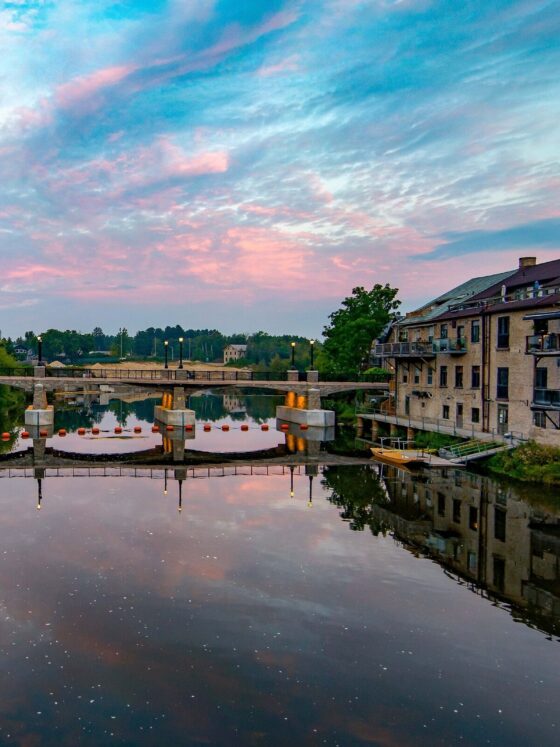
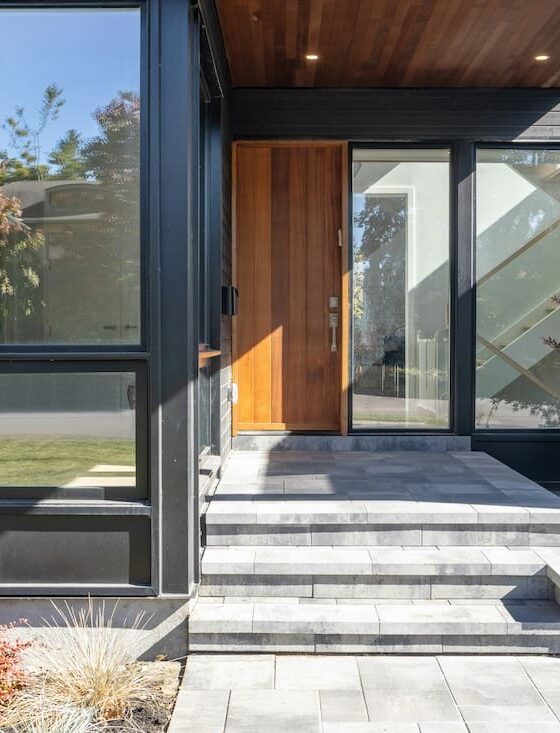
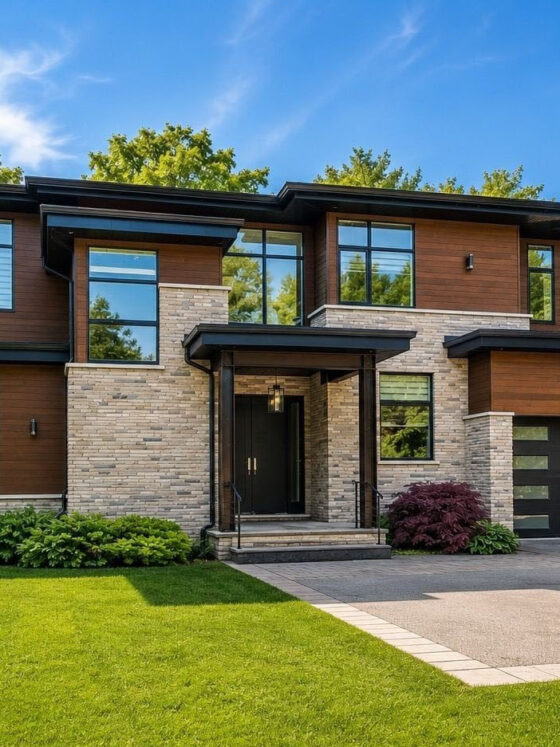
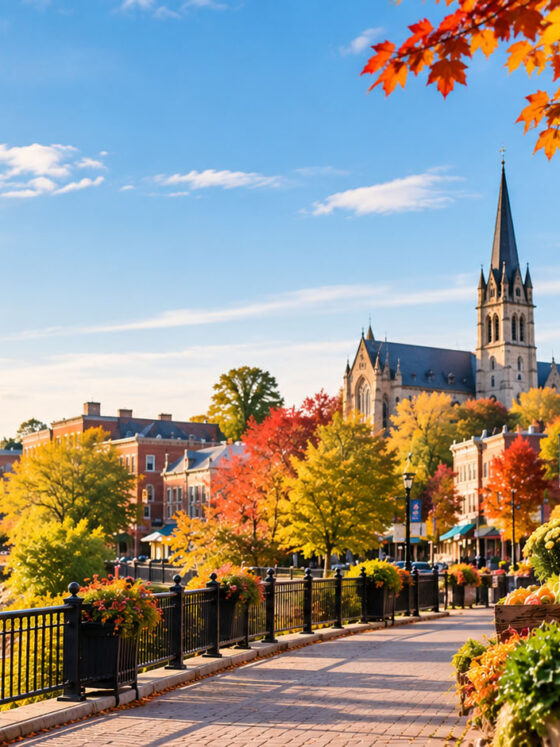
I work with newcomers across Guelph, Milton, Oakville, and Halton who are standing exactly where you are standing. Not sure if they are allowed. Not sure if they are ready. Then one day they are on the front steps with the keys, and the country finally feels like theirs.
If that is the season you are in, you are not behind. You are right at the beginning of something.
What would it feel like to stop renting the idea of home and start owning it.
I would love to hear where you are in the journey.
Frequently asked questions
Can a newcomer buy a house in Canada without being a citizen?
Yes. Permanent residents can buy a home the same as citizens. Work permit holders can also buy one home, as long as their permit has at least 183 days of validity remaining on the day of purchase, while the foreign buyer ban is in effect until January 1, 2027.
Can I get a mortgage in Canada with no Canadian credit history?
Often yes. Every major Canadian bank offers a newcomer mortgage program for permanent residents who landed within the last five years and for work permit holders with a permit of twelve months or longer. These programs do not require established Canadian credit history, though other criteria apply and vary by lender.
What is the minimum down payment for a first home in Canada?
The minimum is five percent on the first five hundred thousand dollars of the purchase price, and ten percent on the portion from five hundred thousand to one and a half million. On a five hundred thousand dollar home, that is twenty-five thousand dollars.
What help is available for first-time home buyers in Ontario?
First-time buyers can use the First Home Savings Account to save up to eight thousand dollars a year, up to forty thousand total, with a tax deduction. Ontario also offers a first-time buyer land transfer tax rebate of up to four thousand dollars, which covers the full tax on homes up to three hundred sixty-eight thousand dollars.
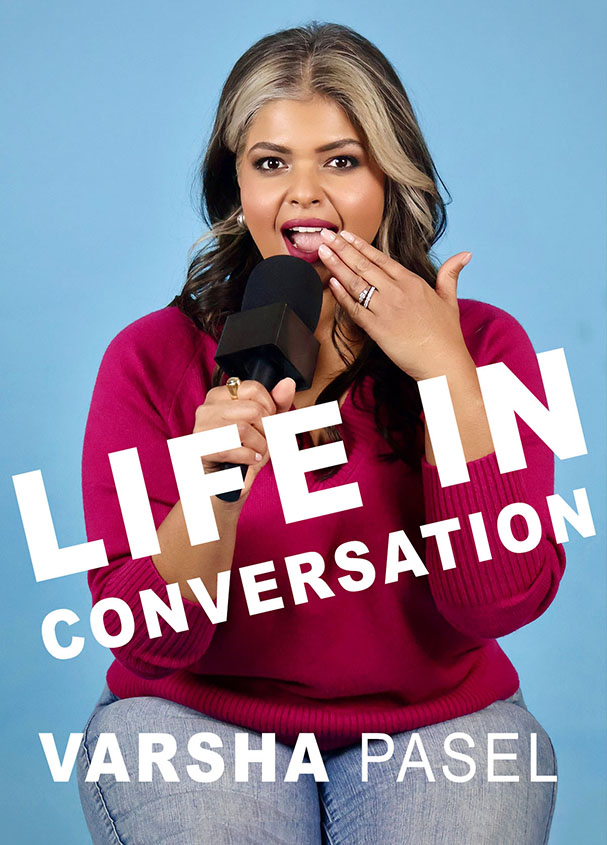
Varsha Pasel is a REALTOR® with Royal LePage Royal City Realty, guiding buyers and sellers across Guelph, Milton, Oakville, and Halton with care and clarity. When you’re ready, reach out.