
If you are thinking about downsizing after the kids leave, start here: the right time is not when the house becomes too big, it is when the house stops matching the life you are actually living.
Those are two different moments, and most people wait for the wrong one.
I sit with a lot of Guelph and Milton families in this exact season. The rooms are still full of furniture. The calendar is not full of anyone. And there is a question underneath everything that nobody says out loud on the first phone call. If we sell this house, are we losing them?
The quiet is information, not a problem
The first thing that changes is the sound.
You notice it on a Tuesday. Nobody is thumping down the stairs. The fridge lasts a week. You cook for two and there is still food on Thursday.
That quiet is not something to fix. It is telling you something.
Ask yourself which rooms you actually walked into this month. For a lot of people it is three, maybe four, out of nine. You are heating, cleaning, insuring, and paying property tax on a version of your life that already ended, and the ending was a good one.
You raised them. They left. That was the plan working.
Downsizing after the kids leave is rarely about size
Say the word downsizing and people hear less. Less space, less life, a smaller version of who you were.
Here’s what’s worked for the people I have guided through it. They stopped asking how much space do we need, and started asking what do we want our days to look like now.
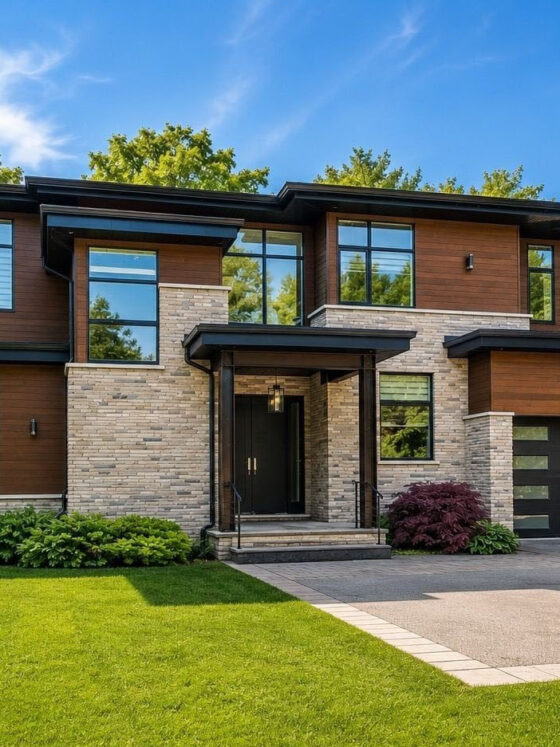
Sometimes the answer is a bungalow with no stairs, because knees are honest. Sometimes it is a condo close to downtown Guelph so that walking for coffee is a real thing you do, not a thing you drive to. Sometimes it is not smaller at all. It is a different shape. One floor, a proper guest room, a yard someone else cuts.
I have had clients move into a home with almost the same square footage and feel like they gained a decade, because the layout finally fit them instead of fitting a family of five.
Your environment shapes who you’re becoming. That does not stop being true at this stage of life. If anything it gets truer, because now the choice is entirely yours.
How to tell you are ready, and how to tell you are not
You are likely ready when you can describe the next chapter in your own words. Where you want to walk. Who you want close by. What a good ordinary Saturday looks like. When that picture gets specific, the house search gets simple fast.
You are likely not ready when the only reason is financial, or when the reason belongs to somebody else, or when the move is landing in the same season as a fresh loss.
If you are in the first year after a death or a separation, there is no prize for deciding quickly. Grief and real estate move at different speeds. I have told people to wait, and meant it.
The house is not the emergency. Make this decision from clarity, not from fog.
The order of operations most people get wrong
Two practical things decide how smooth this feels.
The first is sequence. Selling before you buy gives you certainty about your budget and takes the guesswork out of what you can go get. Buying first gives you certainty about where you are landing and takes the pressure off the search. Neither one is universally right. It depends on your finances, and on which unknown is the one keeping you up at night.
The second is timing. Fall in Guelph is a serious market with serious buyers, and for a move like this it is often a gentler runway than the spring rush, when everything happens at once and you are asked to decide in a weekend.
One more thing, so nothing surprises you later. When you sell a home that has been your principal residence for every year you owned it, the gain is generally exempt from tax, and you still report the sale on your return. Your accountant handles the paperwork. Just know it is a step, not a bill.
What to do with everything inside
This is the part that actually stops people. Not the listing. The stuff.
I have gotten right on the floor with a client, sifting through items, hearing the stories from photos she held up one at a time. Deciding what to keep, what to donate, what to pass down.
That is the real work of downsizing, and it takes longer than staging ever will.
Start early and start small. One drawer, not one room. Ask your kids what they actually want, and believe them when the answer is nothing. Photograph what you cannot take with you. And decide before you begin what you are allowed to keep no matter what, so you are not negotiating with yourself in the middle of a hallway at nine at night.
The memory does not live in the object. It lives in you, and it moves when you move.
The decision underneath the decision
Nobody is really asking whether the house is too big. They are asking whether letting it go means letting go of what happened inside it.
It does not. Those years are finished and they are safe. A sold sign cannot reach back and take them.
You are not shrinking your life. You are choosing the person that you’re becoming next, and giving that person a place built for them instead of a place built for the family you used to be every single morning at seven.
The kids will still come home. They will just come home somewhere new, and they will find the good mugs within about ten minutes.
What would happen if you don’t? Sit with that one honestly, and you will know where you stand.
I guide sellers and buyers through this transition across Guelph, Milton, Oakville, and Halton, and I am never in a hurry about it. If you want to talk it through before you decide anything at all, I would love to help.
Frequently asked questions
When is the right time to downsize after your kids move out? There is no set age or year. The practical signal is when you are maintaining and paying for space you no longer use, and the personal signal is when you can clearly describe what you want your days to look like next. If you are in the first year after a death, separation, or another major loss, most people are better served by waiting until the decision can be made calmly.
Should I sell my current home before buying a smaller one? It depends on your finances and your tolerance for uncertainty. Selling first tells you exactly what your budget is and removes the risk of carrying two properties. Buying first secures where you are going before you list. Many downsizers use a longer closing on the sale to give themselves time to find the next place. Talk it through with your agent and your mortgage advisor before you list.
Do I pay tax when I sell my family home in Canada? If the home was your principal residence for every year you owned it, the capital gain is generally exempt from tax. You are still required to report the sale and designate the property on your income tax return. Speak with an accountant about your specific situation, especially if the home was ever rented or used partly for business.
Is a condo or a bungalow better for downsizing in Guelph? Neither is better on its own. A condo removes exterior maintenance and often puts you closer to amenities and walkable streets. A bungalow keeps you in a detached home with a yard while removing the stairs. Choose based on how much maintenance you want to keep, how important a yard is to you, and where you want to be able to walk to.
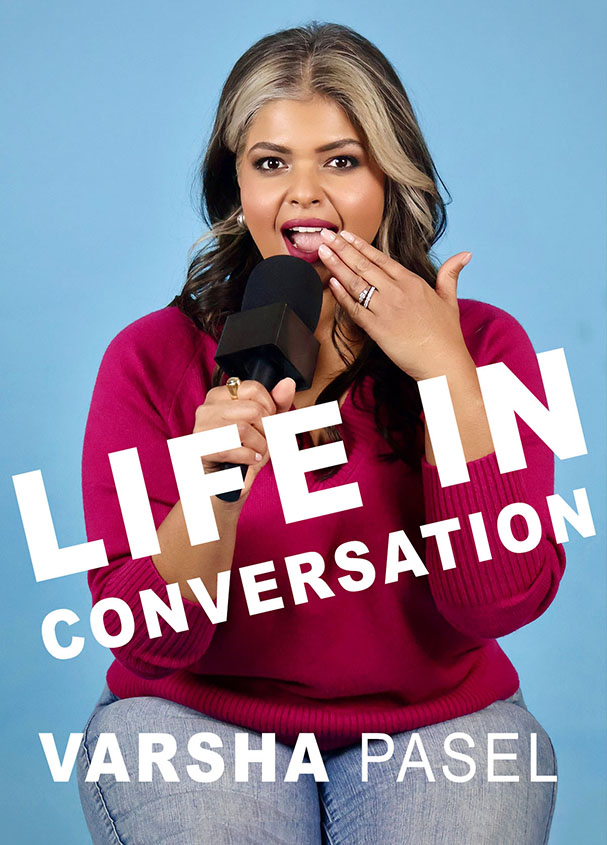
Varsha Pasel is a REALTOR® with Royal LePage Royal City Realty, guiding buyers and sellers across Guelph, Milton, Oakville, and Halton with care and clarity. When you’re ready, reach out.