
Living in Guelph feels like a small town that happens to have a university in it, and the thing most newcomers notice in the first week is that strangers talk to you.
Not in a performative way. In a lining-up-for-coffee way. In a someone-holds-the-door-and-actually-waits way. It surprises people who have come from bigger cities, and it is usually the first thing they mention when I check in a month after closing.
I have worked in this city for years, and I have helped a lot of people arrive in it. So let me tell you what the listings do not.
The shape of the city
Guelph sits about an hour west of Toronto, close enough that plenty of people commute and far enough that it has never turned into a bedroom suburb. It has its own downtown, its own economy, and its own personality. That matters more than it sounds like it should.
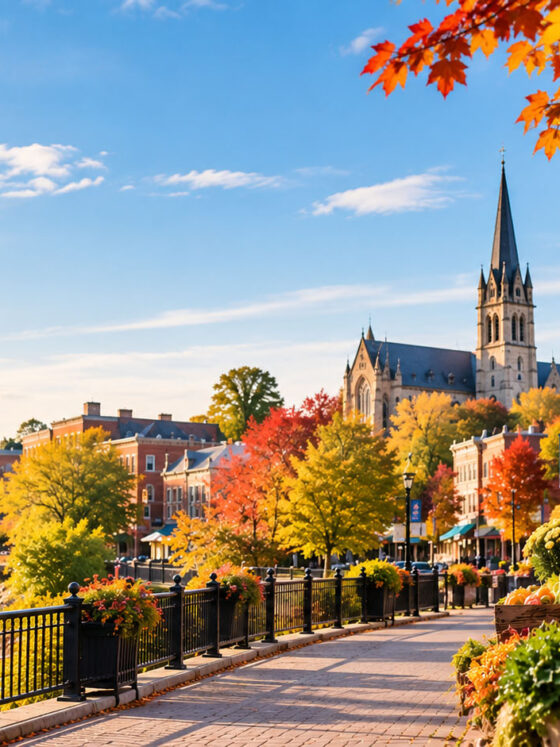
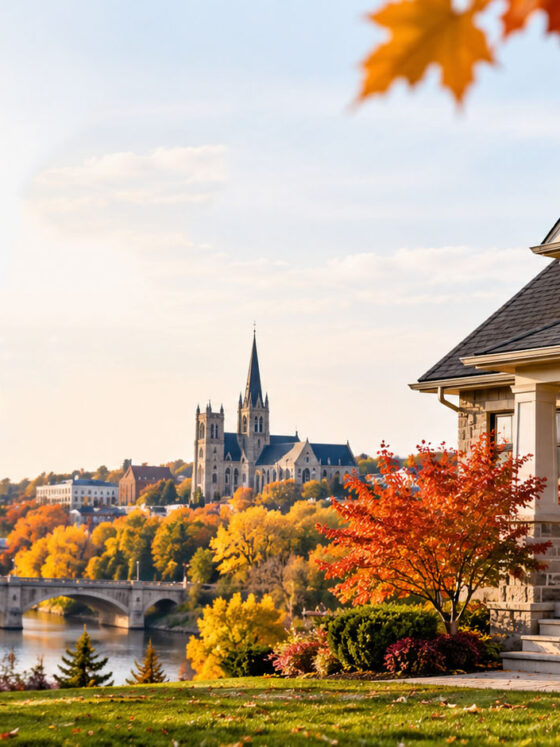
The downtown is limestone. Old, solid, honest buildings on streets that were laid out long before anyone thought about parking. The Basilica of Our Lady Immaculate sits up on the hill above downtown, closing the view at the top of Macdonell Street, and it anchors the whole core. The Speed River runs through the middle, meets the Eramosa near downtown, and there is a trail system threaded along both that people actually use, in every season, including the ones where they complain about it.
There is a farmers market downtown on Saturday mornings that functions less like shopping and more like a weekly civic event. You go for vegetables. You leave having had four conversations.
Who Guelph actually suits
I will be honest about this, because the wrong fit is expensive.
Guelph suits people who want a real community and are willing to participate in one. It is a city where showing up matters. Join something, volunteer for something, coach something, and within a year you will know people everywhere you go. Stay home and keep to yourself and it can feel quiet, maybe quieter than you expected.
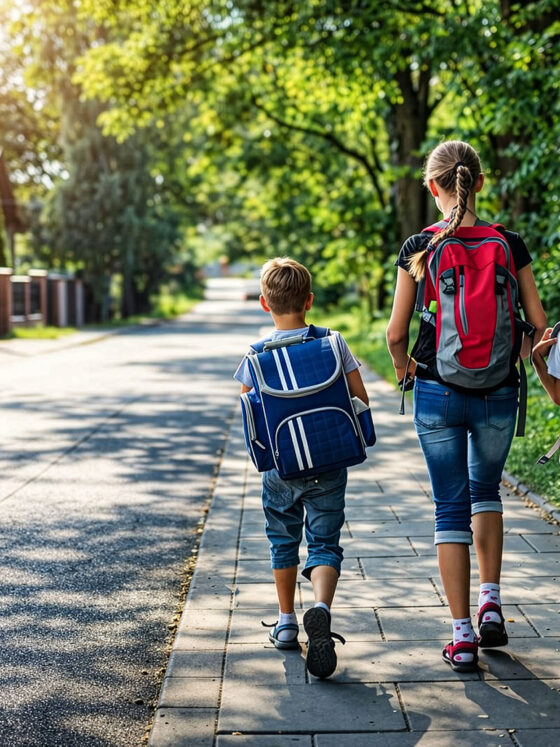
It suits families. The trail network, the parks, Riverside Park down by the river and the Guelph Lake conservation area just north of the city, the sports leagues, the fact that kids can still ride their bikes to a friend’s house in most neighbourhoods. Those are not small things when you are choosing where to raise people.
It suits anyone who wants a bit of space and a bit of culture and refuses to choose. The university brings a steady stream of music, theatre, lectures, and a food scene noticeably better than a city this size has any right to have.
It suits commuters, with a caveat. The Hanlon connects down to the 401 and there is GO service toward Toronto. Both work. Neither is effortless, and anyone who tells you the commute is nothing has not done it in February. Do the drive at the hour you would actually be driving it before you decide.
What nobody puts in the listing
Guelph is more diverse than people assume before they arrive, and less diverse than the places a lot of newcomers come from. Both of those are true at once, and nobody says it out loud.
What the city gives you is real. Neighbours who learn your name. Teachers who take the time. A downtown where people are glad to see you. Families I have worked with tell me the same thing a year in, that their kids started saying they are from Guelph, and meant it.
What it asks is that you build your community on purpose. If you are arriving from somewhere much bigger or much more mixed, that means finding your people rather than assuming they will already be on your street. They are here. There are more every year. But you go and find them, and when you do, the belonging holds.
That is the honest version. I would rather give you that than a brochure.
The seasons, since nobody mentions them
Winter is real. Snow, ice, the whole business. Driveways get long in February and so do the evenings.
But fall here is genuinely beautiful, the trails go gold and people walk them like it is their job. Summer is the river and the patios and outdoor concerts. Spring is mud and then suddenly it is not.
If you are moving from somewhere warm, plan for the winter honestly. Good boots, a real coat, and something to do that gets you out of the house. The people who struggle here in January are the ones who wait it out indoors.
The decision underneath the move
Nobody chooses a city because of the trail network.
People choose a city because of who they want to become in it. Whether their kids will have a place to belong. Whether they can finally stop moving. Whether this is where they get to plant a flag and say, we are here, and we are staying.
That is the conversation I would rather have with you than a list of amenities. Your environment shapes who you are becoming, and choosing a city is one of the few times you get to be deliberate about it.
Guelph has been the right answer for a lot of the families I have worked with. It is not the right answer for everyone, and I will tell you if I think you would be happier somewhere else.
What would happen if you chose the place on purpose, instead of choosing whatever was available?
If you are thinking about Guelph, I would love to hear what you are looking for.
Frequently asked questions
Is Guelph a good place to live? Guelph is generally well regarded for its parks and extensive trail system, its heritage downtown, the presence of the University of Guelph, and a strong sense of community. It suits people who want community involvement and access to nature, along with a commute to Toronto that is manageable but not effortless. It is quieter than a large city, which some people love and others find limiting.
How far is Guelph from Toronto? Guelph is roughly an hour west of Toronto by car outside of peak periods, with longer travel times during rush hour. GO Transit provides rail and bus service toward Toronto, and the Hanlon Parkway connects Guelph to Highway 401. Test your specific commute at the time of day you would actually travel before committing.
Is Guelph a good place to raise a family? Many families choose Guelph for its parks, trails, recreation programs, and neighbourhood feel. Schools include the Upper Grand District School Board, the Wellington Catholic District School Board, and French immersion programs offered within the public board. School catchments vary considerably by neighbourhood, so confirm the specific boundaries for any address you are considering rather than relying on general area reputation.
What is Guelph known for? Guelph is known for the University of Guelph, its limestone heritage architecture downtown, the Basilica of Our Lady Immaculate, its Saturday farmers market, and an extensive river trail system along the Speed and Eramosa rivers. It also has a reputation for strong community engagement and environmental initiatives.
Varsha Pasel is a REALTOR® with Royal LePage Royal City Realty, guiding buyers and sellers across Guelph, Milton, Oakville, and Halton with care and clarity. When you’re ready, reach out.