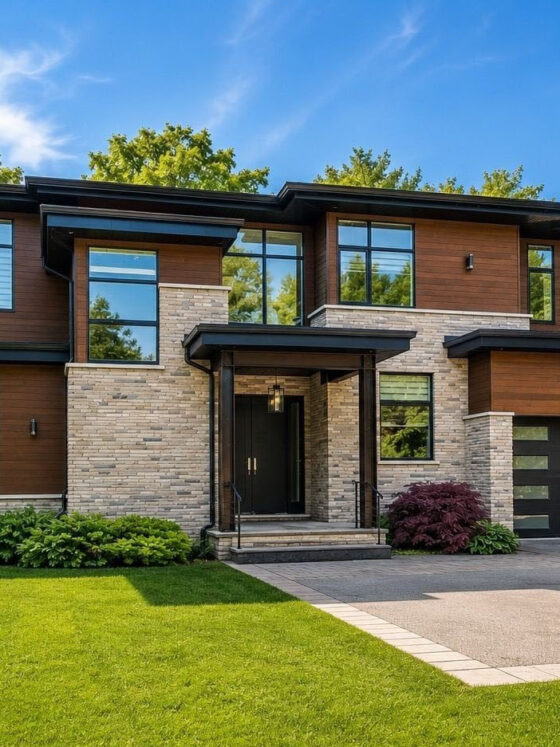

Three Cities. One Region. Three Completely Different Stories.
Most people talk about Halton Region like it’s one thing. One market. One price point. One direction.
April 2026 made it clear that it isn’t.
Burlington, Oakville, and Milton are operating as three separate real estate conversations inside one regional label — and if you’re buying or selling in Halton this spring, the city you’re in, and the type of home you’re looking at, changes everything about your strategy.
Here is what the April data actually shows — city by city.
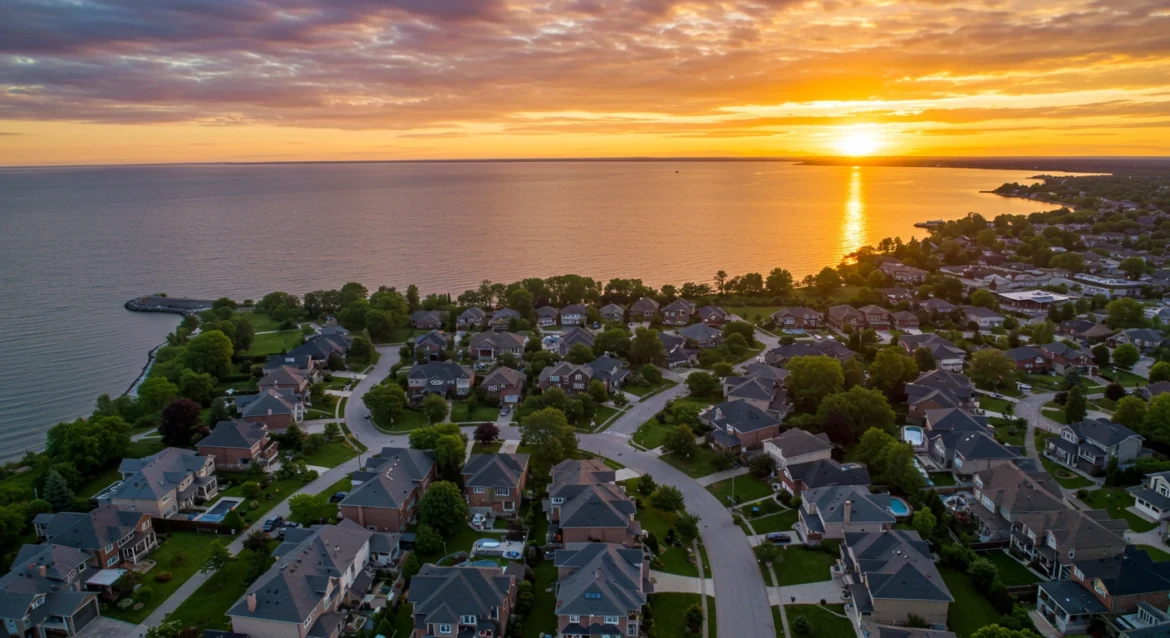
The Halton Region Snapshot: April 2026
Before going city by city, here is the regional picture at a glance:
– Burlington: 300 homes sold (+27% month-over-month), average price $1,097,201
– Oakville: 287 homes sold (+8% month-over-month), average price $1,587,333
– Milton: Very low transaction volume in April makes a monthly average unreliable; typical townhomes trading $750K–$900K, condos $530K–$650K, with a stark split in absorption between the two types
– GTA context: April 2026 composite average $1,051,969 (-4.9% year-over-year), 4.2 months of supply
– Bank of Canada: Held rate at 2.25% on April 29 — fourth consecutive hold. Fixed rates approximately 3.94%, variable approximately 3.30%
The rate environment is stable. It is not falling. Buyers who are waiting for further rate relief may be waiting for something that does not arrive in the near term.
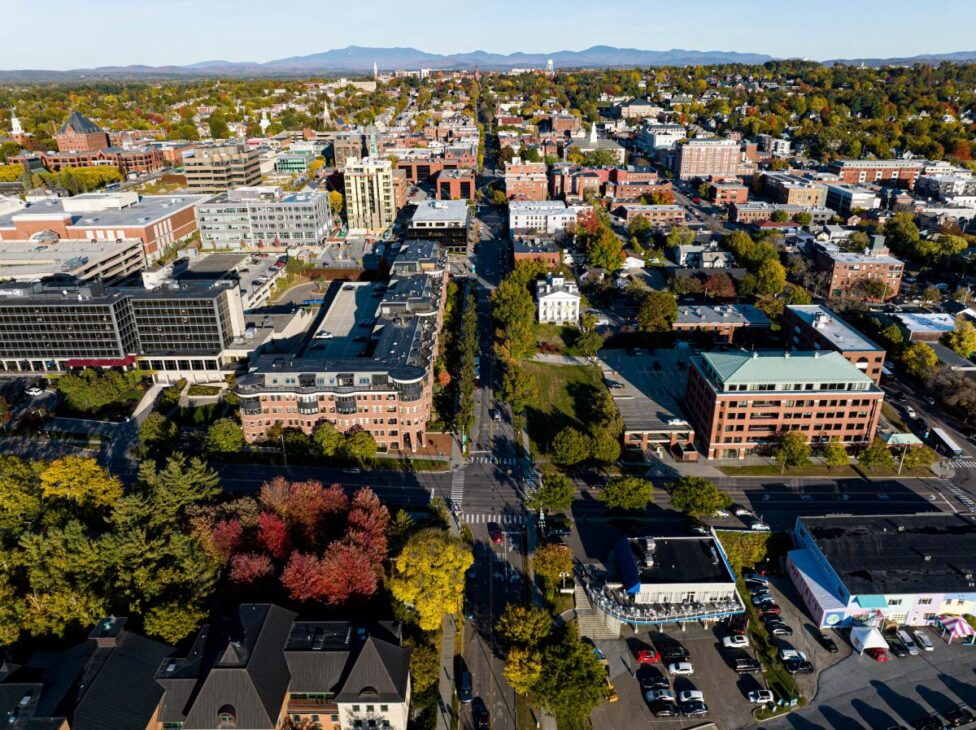
Burlington: The Market That’s Moving
Burlington is the standout story in Halton for April 2026.
Key numbers:
– Average price: $1,097,201
– Sales: 300 homes (+27% month-over-month)
– New listings: 516 (+43%)
– Active listings: 468
– Median days on market: 27 days
– Sale-to-list ratio: 97%
– Detached average: approximately $1,450,000
– Condo average: approximately $647,000
A 27% jump in sales in a single month is not a statistical blip — it reflects a genuine spring activation in Burlington’s market. Inventory climbed, but sales climbed faster. The result is a market where well-priced homes are transacting, and buyers have modest but real negotiating room at a 97% sale-to-list ratio.
Detached homes are the most active segment. Burlington’s combination of waterfront access, walkable core, GO connectivity, and relative affordability compared to Oakville has made it a natural destination for buyers who have done the math and found Oakville out of reach.
What this means for Burlington buyers: You have choice, you have activity, and you have approximately 3% negotiating room on the average home. This is not the market for lowball offers — but it is a market where a well-informed buyer can negotiate thoughtfully. Waiting for a bigger correction may mean missing the spring window that is clearly activating right now.
What this means for Burlington sellers: Pricing matters more than it did in 2021, but less than in the depths of 2023. A correctly priced home in Burlington is transacting. Overpricing in a 27-day median market still catches up with you — but the demand signal is genuinely there.

Oakville: Understanding the Price Reset
Oakville requires the most careful reading of the three Halton cities in April 2026.
Key numbers:
– Average price: $1,587,333 (+7% month-over-month)
– Detached benchmark price: $1,245,100 (-12.2% year-over-year)
– Townhouse benchmark: $708,200 (-8.8% year-over-year)
– Apartment benchmark: $533,300 (-11.8% year-over-year)
– Sales: 287 (+8% month-over-month)
– New listings: 674 (+34%)
– Active listings: 720
– Overall months of inventory: 5 months
– Detached months of inventory: 5.6 months
– Townhouse months of inventory: 3.5 months
– Apartment months of inventory: 5+ months
– Detached median days on market: 21 days
– Apartment median days on market: 32 days
The top-line April average of $1.587 million looks strong on paper. But that month-over-month figure hides what the year-over-year benchmark is telling a different story.
The Oakville detached benchmark dropped 12.2% from April 2025. On a $1.25 million benchmark home, that is approximately $172,000. That is a real, material price reset — not a rounding error.
And yet: Oakville’s months of inventory at 5 months is actually tighter than the 6 months recorded a year ago. Spring demand is genuinely stepping back in. What this combination tells us is that the reset has happened, buyers have absorbed some of the correction, and the market is stabilizing — not recovering to 2022 prices, but finding a new floor.
By product type:
– Townhomes at 3.5 months of inventory are the most competitive Oakville segment right now
– Detached at 5.6 months offers the most negotiating room
– Apartments at 5+ months still clearly favour buyers
What this means for Oakville buyers: If you have been watching Oakville detached prices come down and wondering whether the floor is forming, the spring demand signal in April suggests buyers are stepping back in. The townhome segment at 3.5 months is the most active and competitive. Move with intention there. The detached and apartment segments still give you room to negotiate.
What this means for Oakville sellers: Pricing based on 2023 or 2024 comparables without accounting for the year-over-year benchmark shift is the most common and most expensive mistake in Oakville right now. A stale listing in Oakville carries a stigma. The question buyers ask is not “what happened to the price?” — it is “what is wrong with the property?” Price correctly from day one.

Milton: Two Markets Under One Roof
A note before the data: April was an unusually low-volume month for Milton. When a city records very few transactions in a single month, the average sale price becomes statistically unreliable — a small number of outlier sales can pull a number far from what typical buyers and sellers actually experience. For that reason, we’re presenting Milton’s story through its absorption metrics and typical price ranges by type, which are far more useful signals.
Key numbers:
– Sales: 20 homes sold (low transaction volume month)
– Active listings: 411+
– Overall months of inventory: 3.1 months
– Condo months of inventory: 7.9 months
– Townhome/semi months of inventory: 2–2.5 months
– Median days on market: 24 days
– Typical townhome range: $750,000–$900,000
– Typical condo range: $530,000–$650,000
The townhome and semi-detached market in Milton is absorbing. At 2 to 2.5 months of inventory, well-priced attached freehold homes are moving in under a month. For buyers looking for family-sized, missing-middle product at an accessible price point — Milton’s townhome market is one of the most active in the region.
The condo market in Milton is a different story. At 7.9 months of inventory, approximately one condo is selling for every eight listed. That is deep buyer’s market territory — and it represents significant leverage for condo buyers who understand it.
What this means for Milton buyers:
– Buying a townhome or semi? Move with a clear sense of what you want. This segment is absorbing and well-priced homes do not sit.
– Buying a condo? Your leverage is real and significant. Come in informed on comparable sales (not listing prices), and use an agent who will use that leverage with you.
What this means for Milton sellers:
– Selling a townhome? Correct pricing produces results. This is your best spring window.
– Selling a condo? This is the most honest conversation you need to have before listing. The market has moved significantly below 2020-2022 entry prices. Pricing to what you paid — especially on pre-construction — will not produce a transaction. It will produce a stale listing and a price reduction that works against you.
What the Halton Data Means for Buyers Right Now
If you are doing the Halton math as a buyer in spring 2026, here is the framework:
Burlington is your balanced play. Activity is up, inventory is growing, and a 97% sale-to-list ratio gives you real but modest negotiating room. Detached at approximately $1.45 million is competitive without being frantic. Condos at $647,000 offer accessible entry.
Oakville is your opportunity play — with patience and precision. The benchmark has reset 12%. Spring demand is activating. If your budget reaches into Oakville detached and you have been watching the correction, the floor may be forming. Townhomes at 3.5 months are the most competitive segment.
Milton is your strategy play. Know what type of home you’re buying before you walk in. Townhome: move with intention. Condo: your leverage is as strong as anywhere in Halton.
Across all three cities, the rate environment is stable, not falling. Buyers who are waiting for rates to drop further are taking a risk that the spring window closes before they act.

Working With a Realtor Who Knows Halton
The difference between a strong real estate decision and an expensive mistake in Halton right now often comes down to knowing which market you are actually in — not the regional average, but the specific city, the specific product type, and the specific street.
If you are thinking about buying or selling in Burlington, Oakville, or Milton this spring, I would love to walk you through what your decision looks like with the actual data.
Book a Consultation — No pressure. Just a real conversation.
Varsha Pasel is a REALTOR® with Royal LePage Royal City Realty, serving Guelph, Halton, and surrounding communities. Data sourced from TRREB Market Watch (April 2026), Zolo housing market trends, and InHalton regional reporting. All figures are market-level averages and should not be construed as financial advice.
Sources: TRREB Market Watch April 2026 | Zolo Burlington/Oakville/Milton Market Trends | InHalton Regional Reporting | Bank of Canada Rate Decision April 29, 2026